



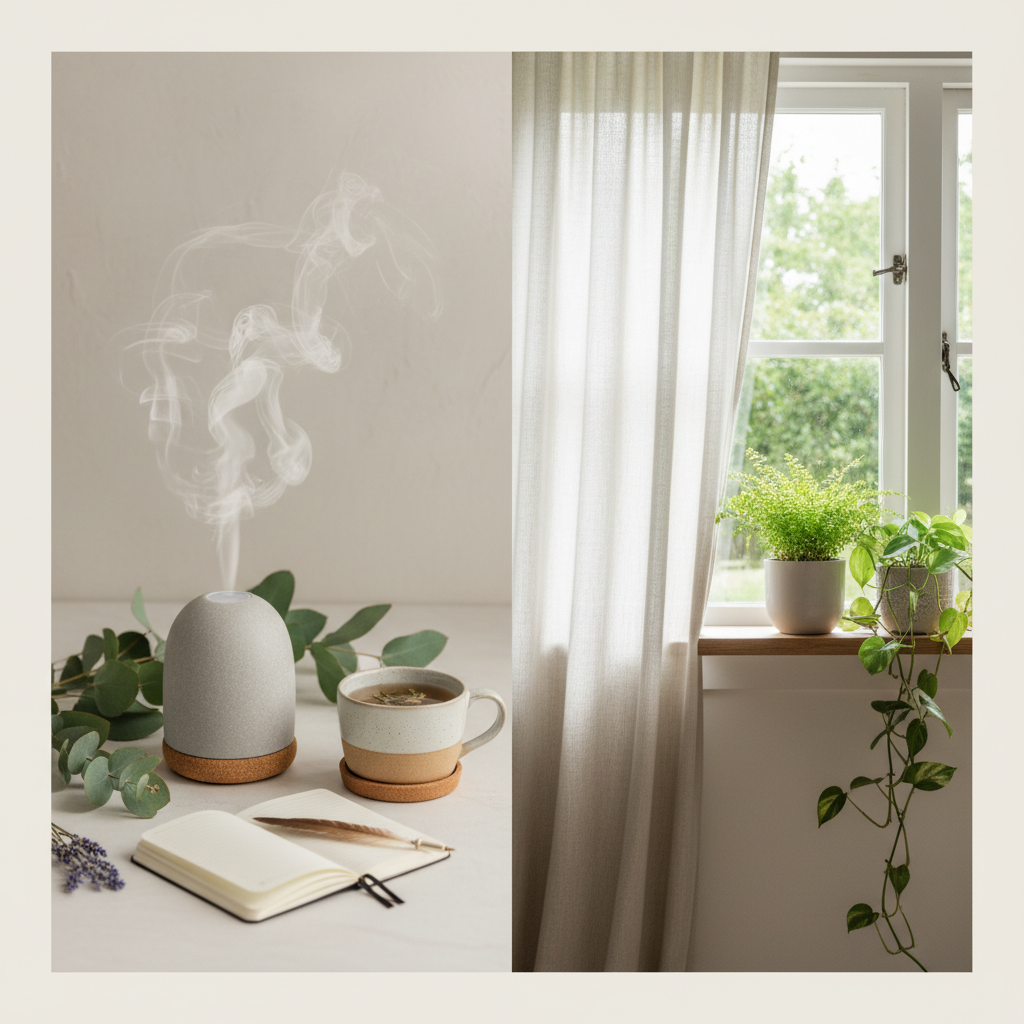
Creating Your Wellness Sanctuary: How Your Living Environment Influences Hormonal Balance
When we think about hormonal health, we often focus on what we put into our bodies. We look at our diet, our exercise routines, and the specific formulations of our contraceptive pills to ensure they align with our unique genetic profiles. However, we often overlook the very walls that surround us every day. Your home is more than just a place to sleep; it is a physical environment that can either support or disrupt your endocrine system. If you have been feeling chronically stressed or out of sync, a professional home renovation oakville might be the missing piece of your wellness puzzle. By intentionally designing a space that promotes relaxation and reduces toxic exposure, you create a sanctuary where your hormones can finally find their natural rhythm.
The connection between our physical surroundings and our internal chemistry is profound. Our brains are constantly scanning our environment for cues of safety or danger. When our homes are cluttered, dark, or filled with synthetic chemicals, our bodies remain in a state of low-grade “fight or flight.” This chronic stress triggers a cascade of hormones, primarily cortisol, which can interfere with everything from your menstrual cycle to your mood stability. In this article, we will explore how your living environment influences your hormonal balance and how you can transform your home into a true wellness sanctuary.
The Impact of Layout and Light on Cortisol Levels
Cortisol is often called the “stress hormone,” and while it is necessary for survival, having too much of it circulating in your system can be disastrous for women’s health. High cortisol levels can suppress the production of progesterone and disrupt the delicate balance required for regular cycles. One of the biggest environmental triggers for cortisol is a poorly designed living space. Cramped rooms, lack of natural light, and “visual noise” from clutter all send signals to the brain that the environment is chaotic. This keeps your nervous system on edge, making it difficult for your body to transition into a state of rest and repair.
Natural light plays a critical role in regulating your internal clock. When your home lacks adequate windows or uses harsh, flickering artificial lights, your body loses its sense of time. This disruption affects the hypothalamic-pituitary-adrenal (HPA) axis, which governs your stress response. By opening up floor plans and increasing the flow of natural light, you can lower your baseline cortisol levels. A home that feels open and airy allows your mind to decompress, signaling to your endocrine system that it is safe to lower its guard and focus on metabolic and reproductive health.
Furthermore, the way we move through our homes matters. If you are constantly bumping into furniture or struggling to find items in a disorganized kitchen, you are experiencing micro-stressors throughout the day. These small moments of frustration add up, contributing to a sense of overwhelm. Creating a “flow” in your home through smart design ensures that your daily routines are seamless. When your environment works with you rather than against you, your stress hormones remain stable, allowing your body to respond better to personalized health interventions and hormonal support.
Circadian Rhythms and the Importance of Bedroom Design
Your hormones operate on a 24-hour cycle known as the circadian rhythm. This rhythm dictates when you feel alert, when you feel hungry, and most importantly, when your body produces melatonin and reproductive hormones. The bedroom is the most critical room in your home for hormonal health because it is where your body undergoes essential detoxification and hormonal recalibration while you sleep. If your bedroom is filled with blue light from electronics or lacks proper temperature control, your sleep quality suffers, leading to a ripple effect across your entire hormonal profile.
Poor sleep is a leading cause of insulin resistance and estrogen dominance. When we don’t reach deep REM sleep, our bodies cannot effectively clear out excess hormones or repair tissues. To turn your bedroom into a sanctuary, you must prioritize “sleep hygiene” in your physical design. This includes using blackout curtains to ensure total darkness, which is necessary for melatonin production. It also involves choosing materials that are breathable and natural, helping your body maintain a cool temperature throughout the night. A cool, dark, and quiet room is the ultimate tool for balancing your hormones.
In addition to darkness, the aesthetic of the bedroom should be calming. Soft, neutral colors and minimalist decor can help lower your heart rate before bed. Avoid using the bedroom as a multi-purpose space; it should not be an office or a storage unit. When you step into your bedroom, your brain should immediately recognize it as a place of rest. By dedicating this space to recovery, you support the natural production of growth hormones and ensure that your body has the energy it needs to maintain a healthy hormonal baseline.
Identifying and Removing Endocrine Disruptors
Many modern homes are built with materials that contain endocrine-disrupting chemicals (EDCs). These substances, such as phthalates, BPA, and volatile organic compounds (VOCs), can mimic or block natural hormones in the body. They are often found in cheap flooring, synthetic carpets, and certain types of paint. For women who are already sensitive to hormonal shifts or who are using specific contraceptive methods, these external toxins can complicate their health journey by adding “hormonal noise” that the body has to process.
When you take a proactive approach to your living environment, you can significantly reduce your toxic load. This involves choosing “green” building materials that do not off-gas harmful chemicals. For example, replacing old, synthetic carpeting with hardwood or natural stone can improve air quality and reduce your exposure to flame retardants. Likewise, using low-VOC paints ensures that you aren’t breathing in toxins that can interfere with your thyroid function or estrogen levels. Reducing these environmental triggers allows your liver to focus on processing your own natural hormones rather than filtering out industrial pollutants.
Water filtration is another often-overlooked aspect of a healthy home. Many municipal water sources contain trace amounts of hormones and heavy metals. Installing a high-quality filtration system for your drinking water and your shower can prevent these substances from entering your bloodstream through your skin or digestive tract. By cleaning up your immediate environment, you create a “clean slate” for your body. This makes it much easier to track the effectiveness of your personalized health plan, as you aren’t constantly fighting against invisible environmental stressors.
Partnering with Professionals for a Healthier Home
Creating a wellness sanctuary is a significant undertaking that requires expertise in both design and construction. It isn’t just about picking out new curtains; it’s about structural changes that improve the health of the building and its inhabitants. This is where professional contractors come in. If you are looking to transform your living space into a health-promoting environment, we highly recommend reaching out to Red Stone Contracting. They specialize in high-quality renovations that can address the structural issues affecting your well-being.
A team like Red Stone Contracting understands that a home should be built to last and designed to nourish. Whether you are looking to remodel your kitchen to make healthy meal prep easier, or you want to overhaul your master suite to create a sleep sanctuary, they have the experience to bring your vision to life. They can help you select non-toxic materials and design layouts that maximize natural light and airflow. Investing in a professional renovation is an investment in your long-term health, providing a stable foundation for your hormonal wellness journey.
Working with experts also takes the stress out of the renovation process itself. We know that a chaotic construction site can spike cortisol levels, but a organized and communicative team ensures that the transition to your new space is as smooth as possible. By choosing a reputable local business, you can rest easy knowing that your home is in good hands. Their attention to detail ensures that every corner of your house is optimized for comfort, beauty, and health, allowing you to focus on what matters most: feeling your best every single day.
Designing Spaces for Movement and Mindfulness
Hormonal balance isn’t just about rest; it’s also about movement and mindfulness. A home that encourages physical activity and quiet reflection can significantly improve your insulin sensitivity and mood. You don’t need a massive home gym to make this work. A dedicated corner for yoga, a sunlit nook for meditation, or even a wide hallway that allows for easy movement can make a difference. When your home is designed with these activities in mind, you are more likely to incorporate them into your daily routine.
Movement helps regulate blood sugar and reduces the accumulation of excess estrogen. If your home feels cluttered or “stuck,” you might find yourself feeling sedentary. By creating open spaces and using biophilic design—incorporating plants and natural textures—you invite more movement and vitality into your life. Plants, in particular, are excellent for hormonal health as they naturally filter the air and have been shown to lower heart rate and blood pressure through their visual presence alone.
Mindfulness spaces are equally important. In our fast-paced world, our adrenal glands are often overworked. Having a designated “quiet zone” where electronics are banned allows your nervous system to reset. This can be a window seat overlooking a garden or a cozy chair in a library. These spaces provide the mental “breathing room” necessary to manage the emotional fluctuations that can sometimes accompany hormonal cycles. When your environment supports your mental health, your physical health follows suit.
Conclusion: Your Home as a Foundation for Health
Your journey toward hormonal balance is multifaceted. While personalized medicine and genetic insights are vital, they work best when supported by a healthy lifestyle and a nurturing environment. By addressing the layout, light, and toxicity of your home, you are taking a powerful step toward long-term wellness. Your living space should be a place where you can truly recharge, free from the stressors and toxins that modern life often imposes upon us.
If you are ready to take the next step in creating your wellness sanctuary, don’t hesitate to seek professional help. A well-executed renovation can change the entire energy of your home and, by extension, your health. We encourage you to contact Red Stone Contracting to discuss how they can help you build a space that supports your hormonal goals. Whether it’s a small update or a total transformation, your home deserves to be a place of healing and happiness. Start building your sanctuary today and experience the profound impact it has on your body and mind.
📍 Visit Red Stone Contracting
Address: 1040 Speers Rd, Oakville, ON L6L 2X4, Canada
Phone: +19059011006
Website: https://redstonecontracting.com/
