



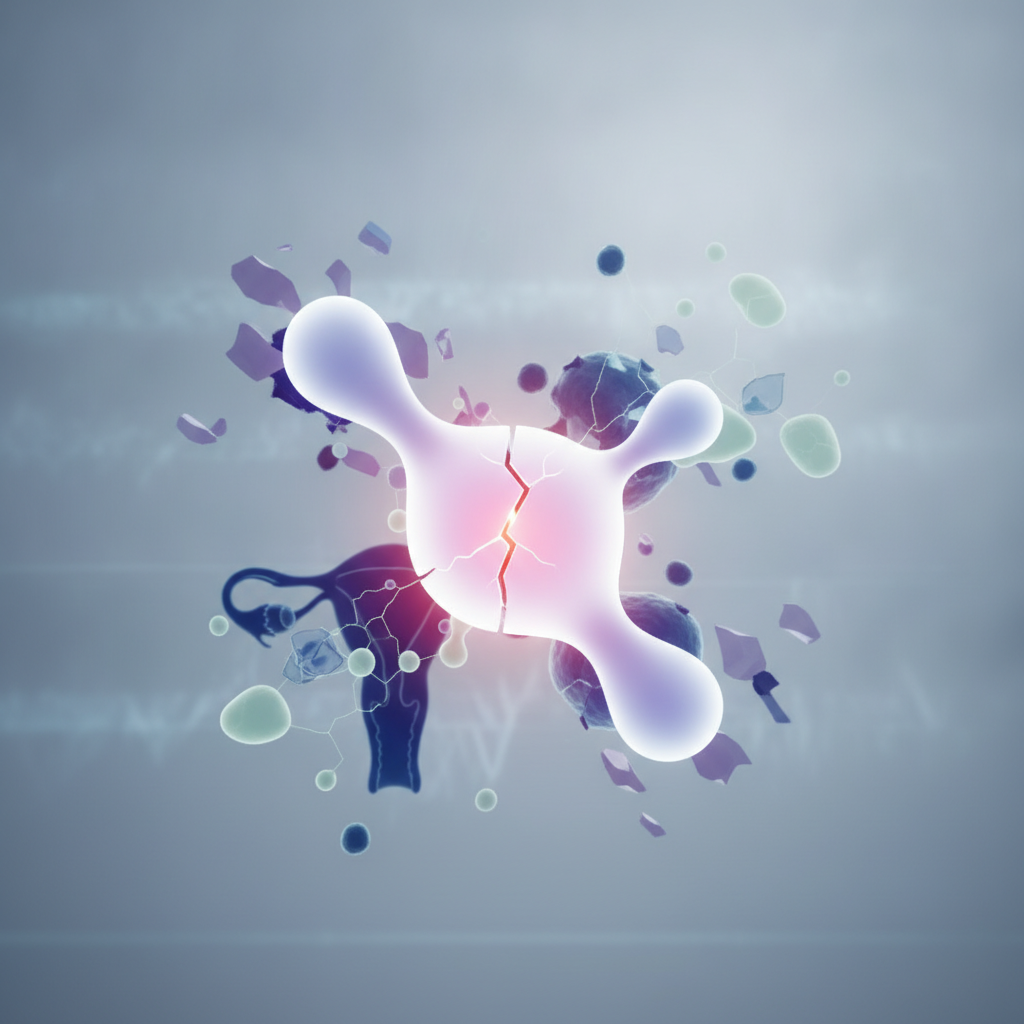
The Hidden Impact of Severe Accidents on Women’s Hormonal Health
When we think about the aftermath of a severe car crash or slip-and-fall accident, our minds immediately go to broken bones, whiplash, or visible bruising. However, some of the most profound injuries happen completely beneath the surface, silently disrupting a woman’s delicate internal ecosystem. Physical trauma can send shockwaves through your endocrine system, leading to long-term hormonal imbalances that affect everything from your menstrual cycle to your mood. Because these invisible injuries often require extensive medical testing and specialized treatments, having strong legal representation is crucial. If you have been in a serious accident, reaching out to the Law Offices of Brent W. Caldwell Injury Attorneys can help ensure you receive the compensation necessary to cover these complex, hidden health issues.
For women who rely on personalized hormonal contraceptive pills, a sudden shift in baseline hormones can turn a once-perfect birth control match into a daily struggle. Your body’s genetic and hormonal profile is uniquely yours, but a severe physical trauma can alter how your body processes estrogen and progesterone. Understanding this hidden impact is the first step toward reclaiming your health, finding the right balance again, and ensuring your medical needs are taken seriously.
The Science of Trauma and Hormonal Disruption
When your body experiences a sudden, violent impact, it immediately kicks into survival mode. This fight-or-flight response is governed by the hypothalamic-pituitary-adrenal (HPA) axis, which floods your system with stress hormones like cortisol and adrenaline. While this natural reaction is designed to keep you alive in a dangerous moment, a severe accident can leave your HPA axis stuck in overdrive. Consequently, your body continues to produce abnormally high levels of cortisol long after the shattered glass has been cleared and the physical wounds have started to heal.
This chronic elevation of stress hormones wreaks havoc on your reproductive system. Because your body is prioritizing immediate survival, it essentially downregulates non-essential functions, including reproduction. Cortisol directly competes with progesterone production, often leading to a condition known as estrogen dominance. For women, this sudden hormonal shift can cause a cascade of frustrating symptoms, including severe mood swings, unexplained weight gain, and overwhelming fatigue.
Furthermore, if you are currently using a hormonal contraceptive pill tailored to your pre-accident hormonal profile, this sudden influx of cortisol can disrupt its effectiveness and tolerability. A birth control formula that previously worked flawlessly might suddenly cause breakthrough bleeding, severe headaches, or exacerbated PMS symptoms. This is why understanding your unique hormonal baseline before and after an accident is so vital for your ongoing well-being.
How Head Injuries and Whiplash Affect the Pituitary Gland
It is incredibly common for victims of car accidents to suffer from whiplash or mild traumatic brain injuries, such as concussions. What many people do not realize is that the brain houses the pituitary gland, a pea-sized structure located right at the base of the skull. Often referred to as the “master gland,” the pituitary controls the function of most other endocrine glands in your body, including your ovaries.
When your head is violently jolted back and forth during a collision, the delicate stalk connecting the hypothalamus to the pituitary gland can be stretched or torn. Even a seemingly minor concussion can temporarily or permanently impair the pituitary’s ability to send the right signals to your reproductive system. As a result, the production of luteinizing hormone and follicle-stimulating hormone can plummet, leading to irregular periods or even a complete cessation of your menstrual cycle.
Unfortunately, these pituitary disruptions are frequently misdiagnosed or entirely overlooked by general practitioners in busy emergency rooms. Doctors are typically focused on stabilizing immediate, life-threatening injuries rather than monitoring your endocrine function. It might take months for a woman to realize that her persistent fatigue, hair loss, and absent periods are actually the direct result of a brain injury sustained during her accident.
The Ripple Effect on Your Menstrual Cycle and Contraception
The menstrual cycle is a vital sign of a woman’s overall health, and a severe accident can throw its delicate rhythm completely off track. Following a major physical trauma, many women report experiencing heavier, more painful periods, or conversely, cycles that stretch out for months at a time. These irregularities are not just an inconvenience; they are a clear indicator that your internal communication system has been severely compromised by the physical shock of the trauma.
For women who utilize personalized hormonal contraceptive recommendations, this post-accident reality presents a unique challenge. Your original birth control prescription was likely based on a specific genetic and hormonal profile. When an accident alters your natural hormone production, your current pill may no longer be the right fit. For example, if trauma-induced stress has caused your natural progesterone levels to tank, a pill that was previously perfectly balanced might now leave you feeling anxious, bloated, and emotionally drained.
Therefore, it is incredibly important to undergo new hormonal testing after you have stabilized from a severe accident. By re-evaluating your current endocrine status, you can work with specialized healthcare providers to adjust your contraceptive strategy. Finding a new, personalized pill that accommodates your post-trauma body can significantly improve your quality of life as you navigate the long road to physical recovery.
Recognizing the Symptoms of Post-Accident Hormonal Imbalance
Because the symptoms of hormonal imbalance often mimic the general stress and exhaustion of recovering from an accident, many women suffer in silence for far too long. It is crucial to pay close attention to what your body is telling you in the weeks and months following a crash. One of the most common red flags is a sudden change in your sleep patterns. If you find yourself dealing with severe insomnia or waking up drenched in night sweats, your thyroid or reproductive hormones may be out of alignment.
Additionally, cognitive issues like brain fog, memory lapses, and difficulty concentrating are frequently brushed off as mere stress, but they are deeply tied to estrogen levels in the brain. You might also notice physical changes, such as sudden adult acne, thinning hair, or weight gain around your midsection that does not respond to diet or exercise. These are classic signs of elevated androgens or insulin resistance, both of which can be triggered by the extreme physical stress of a traumatic event.
If you are experiencing a combination of these symptoms, do not let anyone dismiss them as being “all in your head” or just a normal part of the healing process. Documenting these changes is not only essential for getting the right medical treatment, such as a revised personalized contraceptive plan, but it is also critical evidence if you are pursuing a personal injury claim for your suffering.
Why You Need Legal Advocacy for Hidden Injuries
Treating invisible injuries like endocrine dysfunction and traumatic pituitary damage is neither simple nor cheap. To get your health back on track, you will likely need to consult with specialized endocrinologists, undergo comprehensive hormone panel testing, and possibly explore new, personalized medical treatments. Sadly, insurance companies are notorious for denying coverage for these vital services, often arguing that hormonal imbalances are unrelated to the initial accident.
This is precisely why you need a dedicated legal team that understands the full scope of your injuries. An experienced attorney will fight to ensure that every aspect of your suffering, including the disruption to your hormonal health, is accounted for in your settlement. If you need local experts who genuinely care about your comprehensive recovery, you should visit the Law Offices of Brent W. Caldwell Injury Attorneys to discuss the specifics of your case. They have the resources to connect you with medical experts who can properly document how the accident impacted your endocrine system.
By securing the right legal representation, you can remove the financial burden of out-of-pocket medical expenses. This allows you to focus entirely on your recovery, whether that means affording specialized genetic testing for a new birth control pill or receiving ongoing therapy for trauma-induced stress. You deserve to be compensated for the entirety of what you have lost, including your internal physical harmony.
Taking Charge of Your Recovery and Hormonal Health
Recovering from a severe accident is a marathon, not a sprint, and reclaiming your hormonal health requires patience and proactive care. The first step is to advocate for yourself in the doctor’s office. Ask for a complete thyroid panel, cortisol testing, and a thorough check of your reproductive hormones. Do not settle for basic blood work if you know deep down that your body is not functioning the way it used to before the crash.
Next, take the time to track your symptoms meticulously. Keep a daily journal of your menstrual cycle, mood fluctuations, energy levels, and any side effects you might be experiencing from your current contraceptive pill. This detailed record will be an invaluable tool for your healthcare providers as they work to personalize a new hormonal treatment plan for you. It will also serve as powerful evidence for your legal team when demonstrating the ongoing impact of the accident on your daily life.
Finally, remember that healing is a highly holistic process. Supporting your body with anti-inflammatory nutrition, gentle movement, and stress-reduction techniques can help coax your nervous system out of its fight-or-flight state. As your body slowly feels safe again, your hormones will naturally begin to seek their proper balance, paving the way for a healthier, more vibrant future.
Conclusion
The hidden impact of a severe accident on a woman’s hormonal health is a serious issue that deserves far more attention in the medical and legal communities. From pituitary damage caused by whiplash to the way chronic stress disrupts your personalized contraceptive needs, the internal damage can be just as devastating as the visible wounds. Acknowledging these invisible injuries is the crucial first step toward true, comprehensive healing. Because the medical journey to restore your hormonal balance can be long and expensive, you should never have to face the financial burden alone. We highly encourage you to seek out professional legal guidance to protect your future and ensure your invisible injuries are seen, validated, and properly compensated.
📍 Visit Law Offices of Brent W. Caldwell Injury Attorneys
Address: 20042 Beach Blvd #100, Huntington Beach, CA 92648, United States
Phone: +17147524670
Website: https://bclawoffices.com/
